The Essence of the Handloom Industry In India: Silk, Banarasi, and More
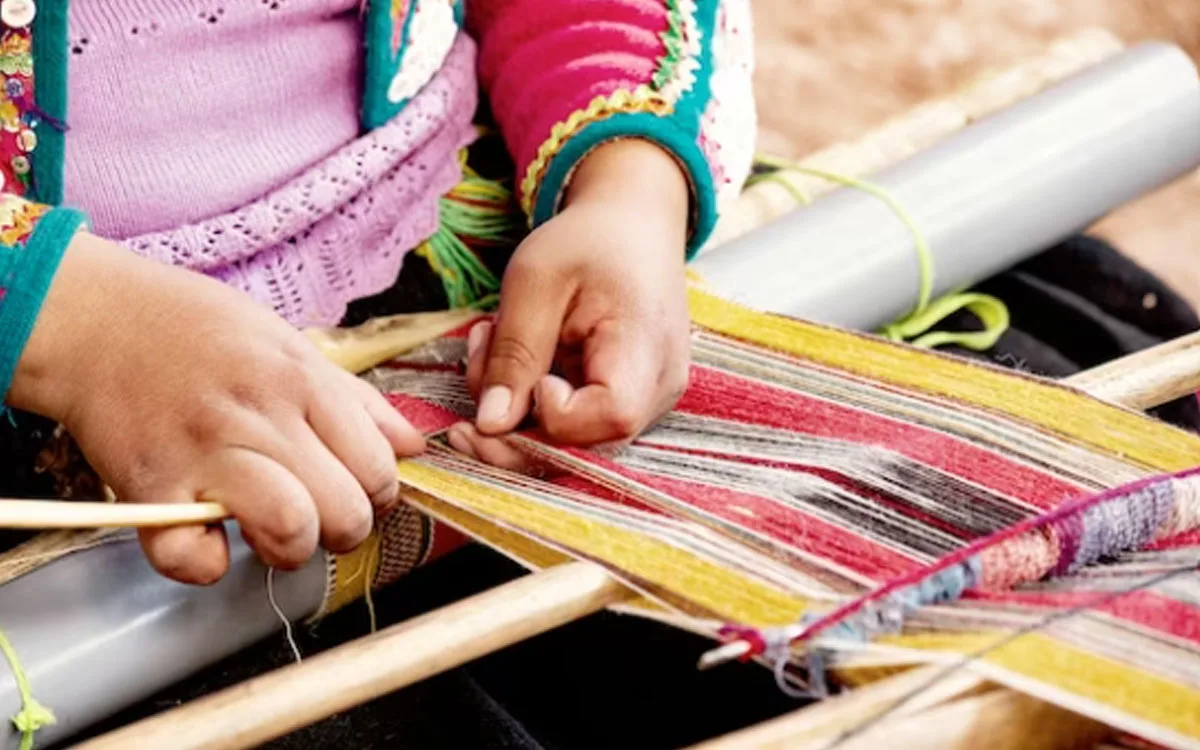
The magic of a saree lies not just in its colors but in the love and craftsmanship that goes into every intricate pattern."
-Neha, A Handloom Artisan
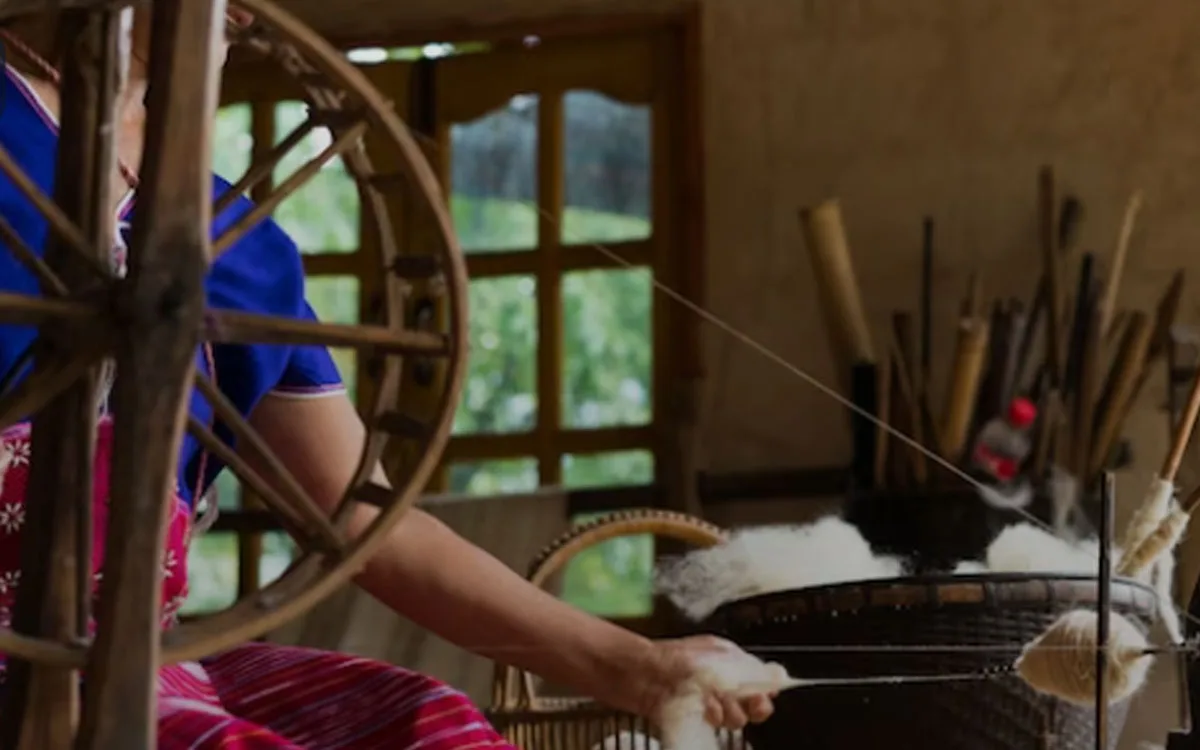
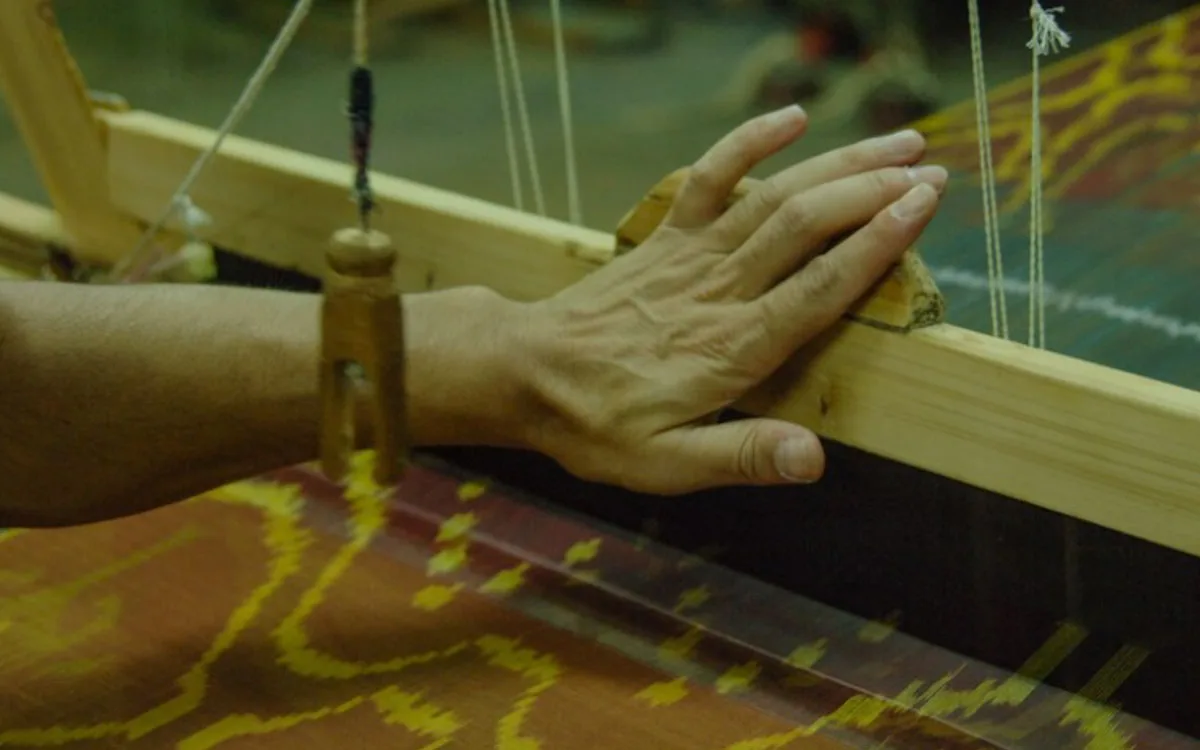
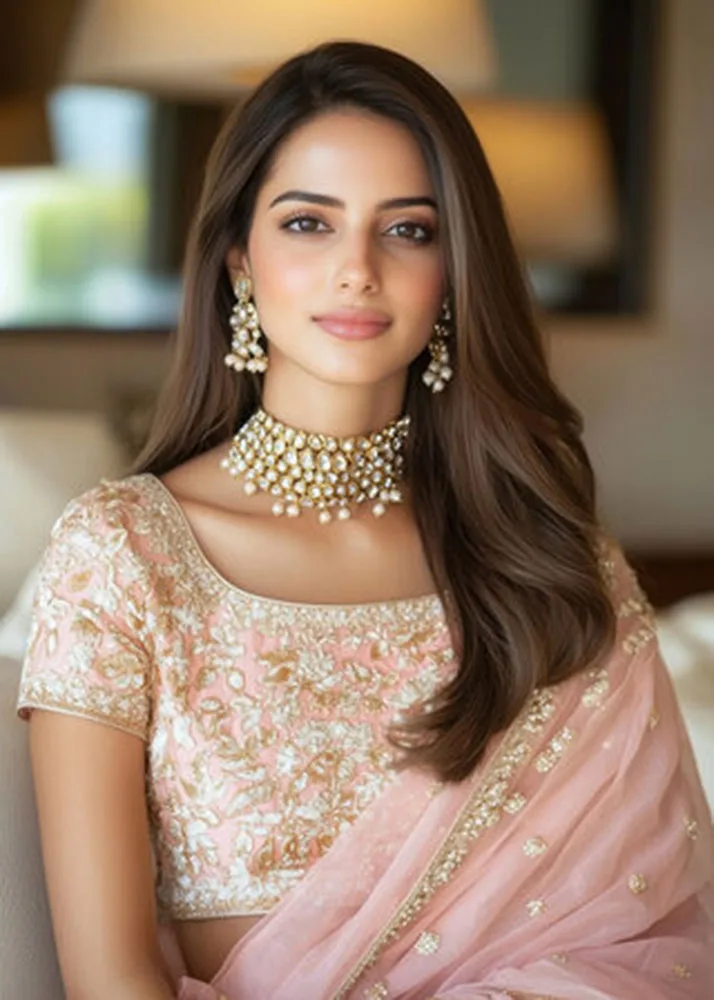
Believe it or not, Indian handloom has a different vibe when discussing just the fabrics. The sarees hold a special place in the hearts of Indian women because they are made with utmost perseverance, exquisite craftsmanship, and a significant essence of cultural heritage.
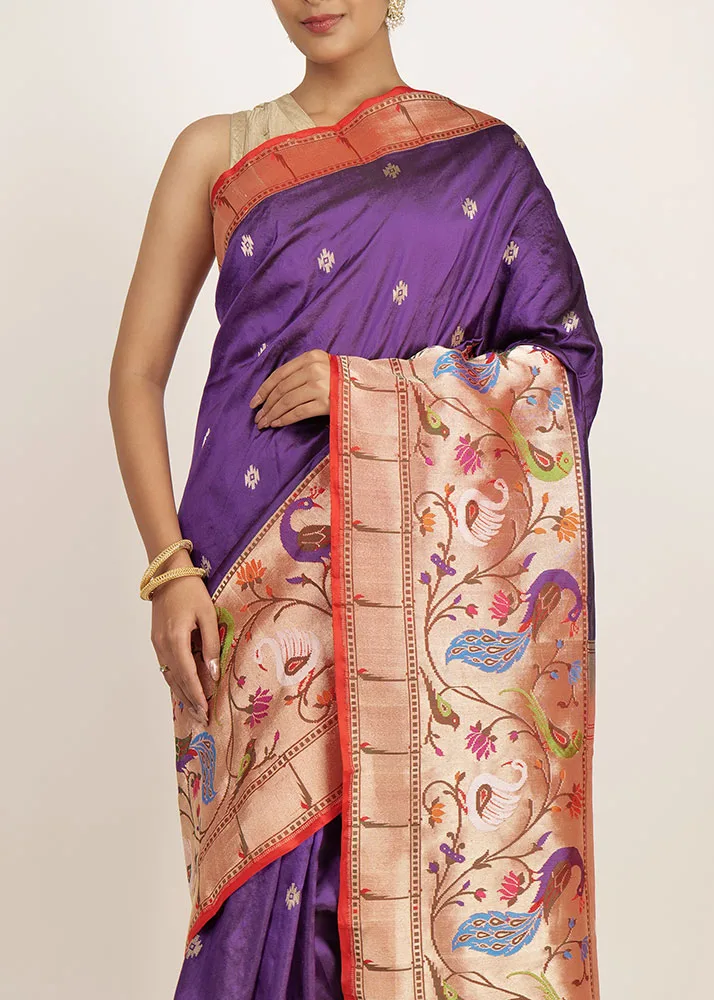
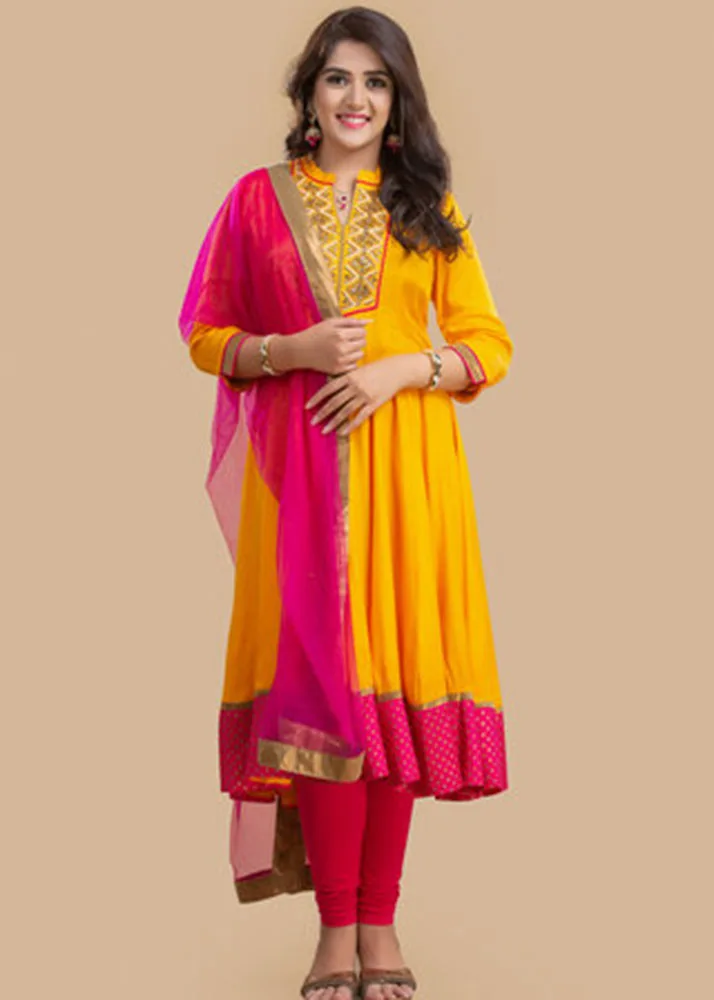
Indian handloom encompasses sarees of wide ranges, ranging from different styles, designs, fabrics, textures, materials, and more. Right from the naturally instilled hues of the Jamdani work of West Bengal to the vibrant Paithani sarees of Maharashtra, every fabric speaks of its unique identity.
Indian handloom has existed ever since the time when humans used to live in caves. Through such artistical stories, each and every motif has come alive with a vision and inspiration from its surroundings reflecting the essence of architecture, caves, sculptures, and temples.
From grandeur weddings to any minimalist function, no occasion is completed without the utmost celebration of saree. At least every female must resonate with the same. It would be an understatement to quote that ‘Just a saree makes you look exceptionally beautiful’.
Since handloom sarees are considered to be timeless representations of sheer elegance and grace, let’s discover some of them!
Embracing Diversity: An Allure of most-commonly worn sarees in India
Banarasi Sarees
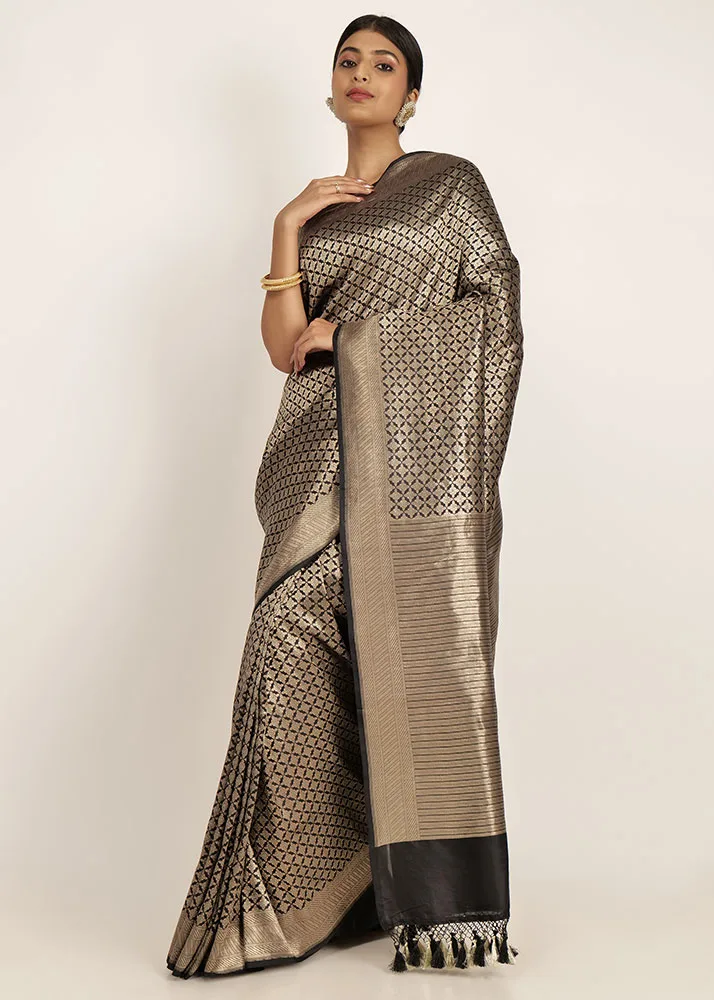
Banarasi sarees are the most commonly and effortlessly worn sarees. They primarily originated from Varanasi, which is a city in Uttar Pradesh. The hallmark of these sarees is known for its fabric, brocade work, floral patterns, and geometric/opulent and ever-lasting designs. Nowadays, Banarasi sarees are also curated in easy-to-handle fabrics such as georgette.
Silk Sarees
You must have seen foreigners coming to India, and having a fetish for wearing Indian sarees. Well, you have your answer there. Silk sarees are the ultimate statement. These sarees have not just one but consist of different origins that involve Kanjeevaram, Mysore silk, Paithani, Baluchari, and more signifying the states of Tamil Nadu, Karnataka, Maharashtra, and West Bengal respectively. Silk sarees offer extensive hues of darl shades, and intricate patterns, along with an extended zari work.
Patola Sarees
Yet another traditional handwoven saree with silk textile that originates from the Patan region of Gujarat. These kinds of sarees are well-known for their intricate motifs like flowers resembling Banarasi sarees. It often involves motifs of animals and geometric shapes with vivid hues. The quality of the fabric used in these sarees contributes to its richness featuring bold-contrasting colors. These can not be concluded as just garments to be worn, they are cherished for their timeless beauty embodying the essence of Gujarat, India.
Conclusion
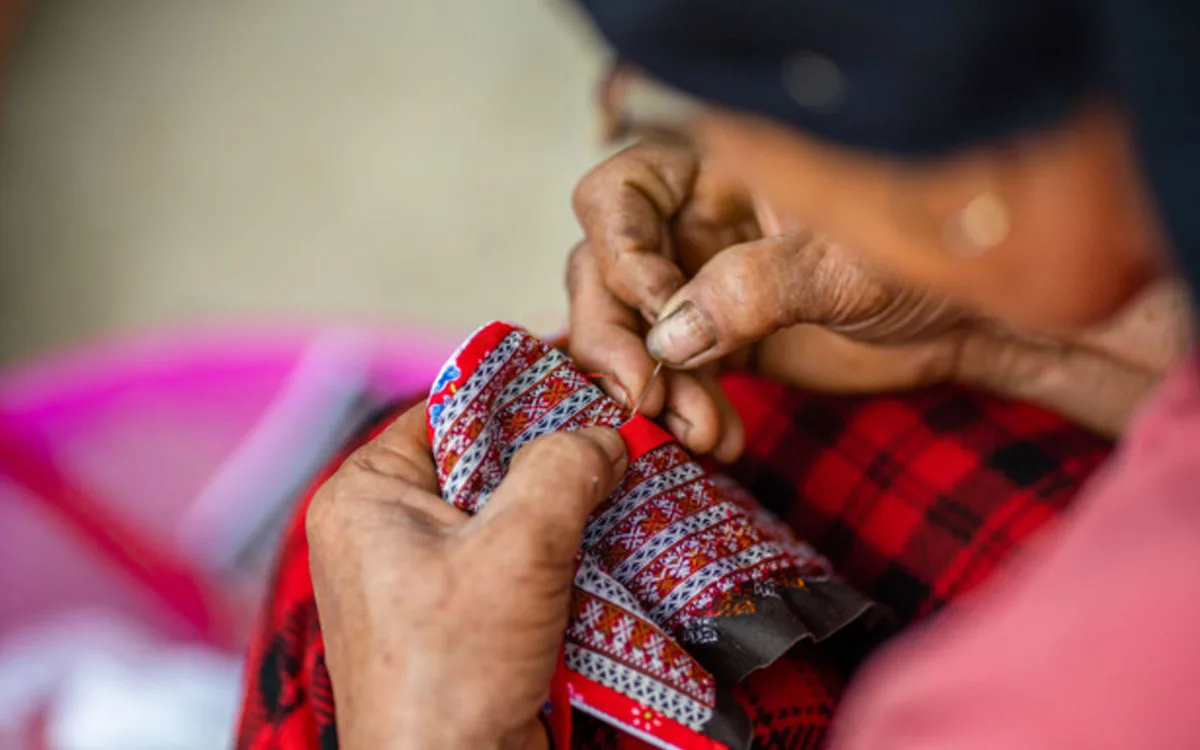
Sarees are a timeless anecdote. Weaving such sarees is a time-consuming process but that’s what makes them unique, rare, and expensive. Handwoven sarees exemplify the skill and education of burning the midnight oil for the artisans to work on a garment. The painstaking of each saree adds to its allure, marking a symbol of unmatched grace.
Ladies, what are you waiting for? Update your wardrobe with timeless beauty and don’t forget to embrace the artistry of impeccable craftsmanship and Indian handloom!